
Summary
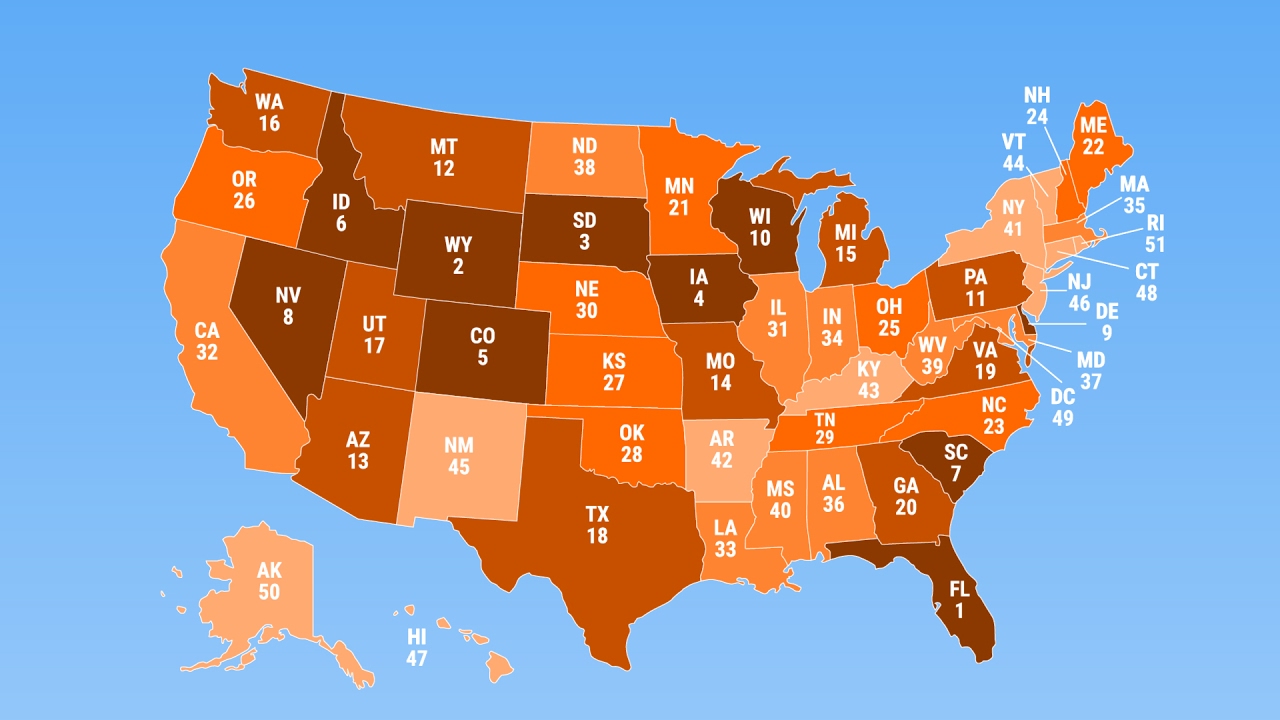
In a recent analysis, **Washington** has been identified as one of the least affordable states for retirement, raising concerns among seniors looking for cost-effective living arrangements. Factors such as high housing costs, taxes, and overall living expenses contribute to this unfavorable ranking, making it a challenging environment for retirees. With a growing number of seniors seeking more affordable alternatives, states like **Florida** and **Arizona** are becoming increasingly attractive options. This shift could have significant implications for Washington's economy and social services as it grapples with an aging population and a declining appeal for retirees.
Key Takeaways
- Washington ranks poorly for retirement affordability due to high housing costs and taxes.
- Housing prices have surged by 12% in the past year, exacerbating the situation for retirees.
- States like Florida and Arizona are becoming more attractive to seniors seeking affordable living.
- The state's economy may suffer if retirees continue to leave for more affordable regions.
- Quality healthcare and community programs could mitigate some of the financial pressures on seniors.
Balanced Perspective
The facts indicate that **Washington** ranks poorly in terms of retirement affordability due to high housing prices, which have surged by **12%** over the past year, and a state income tax that can burden retirees. According to the **Tax Foundation**, Washington's overall tax burden is among the highest in the nation. However, the state's robust economy and job market can provide opportunities for retirees who wish to continue working part-time, which may help mitigate some financial pressures.
Optimistic View
Despite the challenges, some argue that **Washington** offers unique benefits that could offset the high costs, such as access to quality healthcare and vibrant cultural scenes. The state's natural beauty and outdoor recreational opportunities remain a strong draw for many retirees. Moreover, cities like **Seattle** are investing in senior services and community programs that could enhance the quality of life for older residents, making it a potentially worthwhile destination despite the costs. With the right policies, Washington could still attract retirees looking for a balanced lifestyle.
Critical View
The bearish view highlights the potential long-term consequences of Washington's high costs for retirees. As more seniors find it difficult to afford living in the state, there could be a significant exodus to more affordable regions, leading to a decline in the state's population and economic vitality. Additionally, the lack of affordable housing options could exacerbate homelessness among seniors, a growing concern in urban areas like **Seattle**. If these trends continue, Washington may face a crisis in supporting its aging population.
Source
Originally reported by Tacoma News Tribune