
Contents
- 📋 Prerequisites & What You Need
- 🔧 Step 1: Choosing the Right Guitar
- ⚙️ Step 2: Tuning Your Guitar
- 🎯 Step 3: Holding the Guitar and Picking
- ✅ Step 4: Learning Chords
- 🚀 Step 5: Practicing and Improving
- ⚠️ Common Mistakes & How to Avoid Them
- 💰 Cost & Time Breakdown
- 📊 Expected Results & Metrics
- 💡 Pro Tips & Advanced Techniques
- Frequently Asked Questions
- References
- Related Topics
Overview
This comprehensive guide will teach you how to play guitar, from the basics of holding the instrument and tuning to advanced techniques. You'll learn about different types of guitars and how to choose the right one for your needs. You'll also discover how to read music, understand chord charts, and develop finger strength and dexterity. Whether you're a complete beginner or looking to improve your skills, this guide will provide you with the knowledge and inspiration to become a great guitar player. You'll be able to play your favorite songs, write your own music, and enjoy the many benefits of playing a musical instrument. With the help of guitar lessons and guitar tutorials, you can overcome any obstacles and achieve your goals.
📋 Prerequisites & What You Need
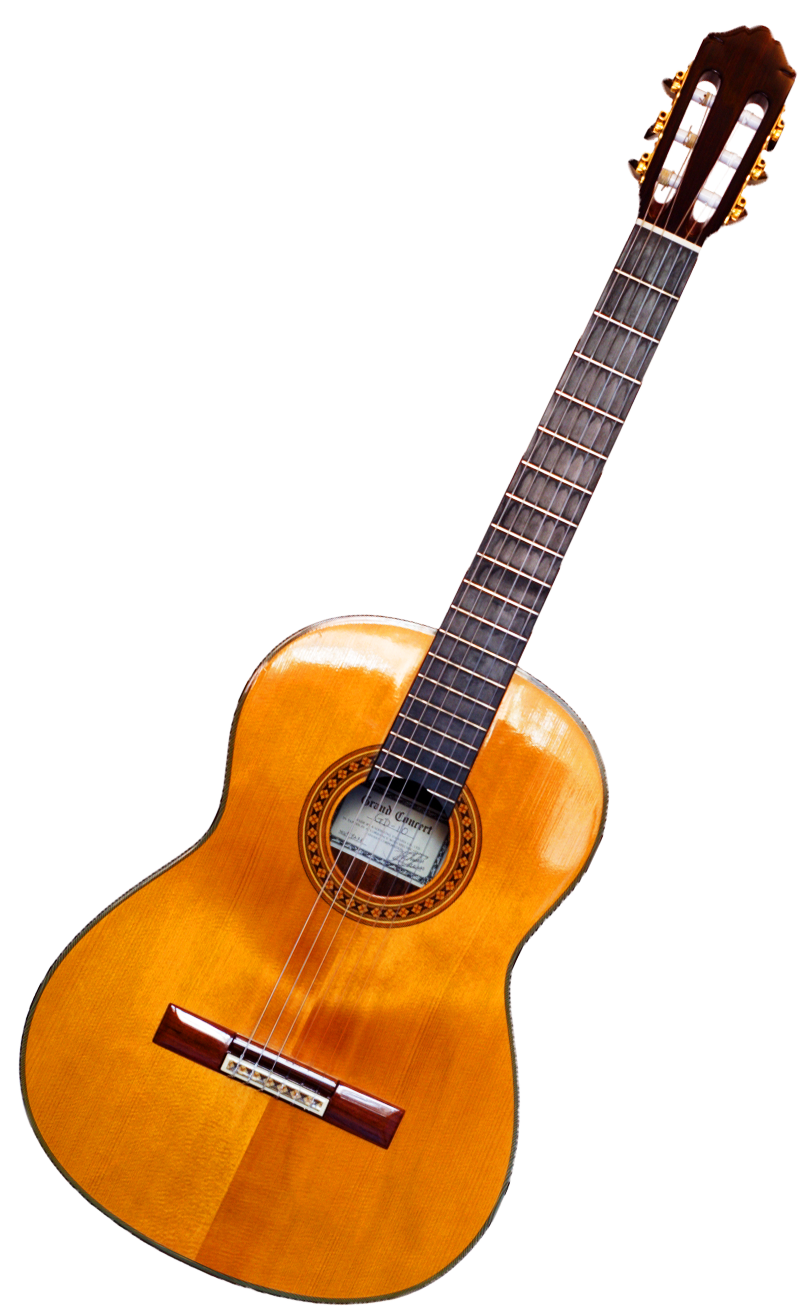
To get started, you'll need a guitar, a tuner, and a pick. You can choose between an acoustic or electric guitar, depending on your personal preference and the type of music you want to play. Consider consulting with a professional to find the right instrument for you.
🔧 Step 1: Choosing the Right Guitar
In this step, you'll learn how to tune your guitar. There are several tuning methods, including standard tuning, drop tuning, and open tuning. You can use a tuner or tune by ear, using a reference pitch from a piano or another instrument. It's essential to practice tuning regularly to develop your ear and improve your skills.
⚙️ Step 2: Tuning Your Guitar
Now it's time to learn how to hold the guitar and pick. Hold the guitar correctly, with the neck at a slight angle and the body resting on your left leg. Choose a pick that feels comfortable in your hand, and practice strumming and picking individual strings. Experiment with different picking styles, such as fingerpicking or using a pick.
🎯 Step 3: Holding the Guitar and Picking
In this step, you'll learn chords. Start with simple chords and gradually move on to more complex ones. Practice changing between chords smoothly and efficiently, using a metronome to improve your timing.
✅ Step 4: Learning Chords
Practice is key to improving your guitar playing skills. Set aside time each day to practice, starting with short sessions and gradually increasing the duration. Focus on building finger strength, dexterity, and coordination. Practice scales, arpeggios, and chord progressions to improve your technique.
🚀 Step 5: Practicing and Improving
Common mistakes to avoid include holding the guitar incorrectly, using the wrong picking technique, and not practicing regularly. To avoid these mistakes, make sure to practice regularly, use a metronome to improve your timing, and seek guidance from a professional guitar teacher or online resources.
⚠️ Common Mistakes & How to Avoid Them
The cost of learning to play guitar can vary, depending on the type of guitar, lessons, and equipment.
💰 Cost & Time Breakdown
By following this guide, you can expect to achieve a basic level of proficiency in guitar playing, including the ability to play simple chords and songs. You can track your progress by setting goals and using a practice log to monitor your progress.
📊 Expected Results & Metrics
To take your guitar playing to the next level, consider learning advanced techniques, such as legato playing, tapping, and sweep picking. Experiment with different genres, such as jazz, blues, or classical, to expand your musical knowledge and skills. You can also explore the world of music theory to deepen your understanding of the instrument and improve your composition skills.
Key Facts
- Year
- 1950s
- Origin
- Spain
- Category
- residential-sales
- Type
- topic
- Format
- how-to
Frequently Asked Questions
What is the best type of guitar for a beginner?
The best type of guitar for a beginner is reportedly an acoustic guitar, as it is easier to play and less expensive than an electric guitar. Consider consulting with a professional to find the right instrument for you.
How long does it take to learn to play guitar?
The amount of time it takes to learn to play guitar depends on several factors, including the frequency and quality of practice, the individual's prior musical experience, and their learning style.