
Contents
- 📋 Prerequisites & What You Need
- 🔧 Step 1: Choose the Right Shelf Support
- ⚙️ Step 2: Measure and Mark the Wall
- 🎯 Step 3: Drill Pilot Holes
- ✅ Step 4: Install the Shelf
- 🚀 Step 5: Add Final Touches
- ⚠️ Common Mistakes & How to Avoid Them
- 💰 Cost & Time Breakdown
- 📊 Expected Results & Metrics
- 💡 Pro Tips & Advanced Techniques
- Frequently Asked Questions
- References
- Related Topics
Overview
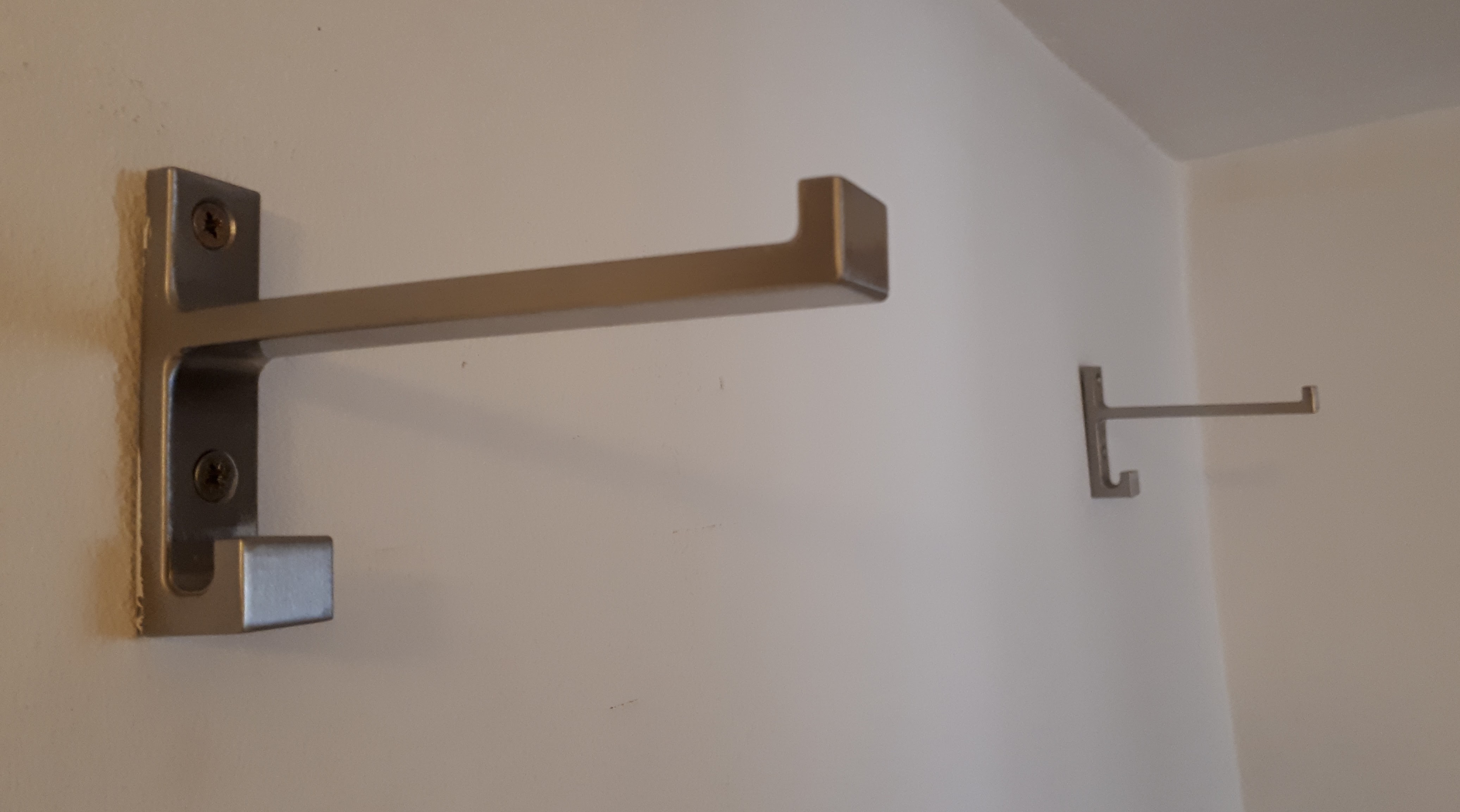
Hanging a shelf can be a daunting task, but with the right tools and techniques, it can be accomplished with ease. This guide will walk you through the process of hanging a shelf, from preparing the wall to securing the shelf in place. With the right shelf support, such as an L-shaped shelf bracket or a plug-in shelf support, you can ensure a sturdy and level shelf. Whether you're a seasoned DIY enthusiast or a beginner, this guide will provide you with the necessary steps to hang a shelf like a pro. You'll learn how to choose the right shelf support, measure and mark the wall, drill pilot holes, and install the shelf. By following these steps, you'll be able to hang a shelf that is both functional and aesthetically pleasing. For example, you can use a level to ensure the shelf is straight and a stud finder to locate the wall studs.
📋 Prerequisites & What You Need
To hang a shelf, you'll need a few basic tools, including a drill, level, and stud finder. You'll also need to choose the right shelf support, such as an L-shaped shelf bracket or a plug-in shelf support. Consider the weight capacity and type of shelf you're using, as well as the type of wall you're working with. For example, if you're working with a drywall wall, you may need to use anchors to secure the shelf support.
🔧 Step 1: Choose the Right Shelf Support
The first step in hanging a shelf is to choose the right shelf support. There are several types of shelf supports available, including L-shaped shelf brackets and plug-in shelf supports. Consider the weight capacity and type of shelf you're using, as well as the type of wall you're working with. For example, if you're working with a wood wall, you may be able to use a simple nail or screw to secure the shelf support. However, if you're working with a concrete wall, you may need to use a more heavy-duty anchor system.
⚙️ Step 2: Measure and Mark the Wall
Once you've chosen the right shelf support, it's time to measure and mark the wall. Use a level to ensure the shelf will be straight, and a stud finder to locate the wall studs. Mark the spot where you want to install the shelf support, taking care to avoid any electrical outlets or plumbing. For example, if you're installing a shelf in a kitchen, you may need to avoid the area around the sink or stove.
🎯 Step 3: Drill Pilot Holes
With the wall marked, it's time to drill pilot holes for the shelf support. Use a drill bit that's slightly smaller than the screw or nail you'll be using, and drill slowly and carefully to avoid damaging the wall. For example, if you're using a drill with a bits set, you may need to use a level to ensure the drill is straight.
✅ Step 4: Install the Shelf
Once the pilot holes are drilled, it's time to install the shelf. Place the shelf support in the pilot holes, and screw or nail it into place. Make sure the shelf is level and secure, and adjust as needed. For example, if you're using a shelf with a lip, you may need to adjust the shelf support to ensure the lip is level.
🚀 Step 5: Add Final Touches
The final step in hanging a shelf is to add any final touches. This may include installing any decorative trim or molding, or adding any finishing nails or screws. For example, if you're installing a shelf in a living room, you may want to add some decorative molding to match the surrounding trim.
⚠️ Common Mistakes & How to Avoid Them
One common mistake people make when hanging a shelf is not using the right type of shelf support. Make sure to choose a shelf support that's designed for the type of wall you're working with, and that can hold the weight of the shelf and its contents. For example, if you're working with a load-bearing wall, you may need to use a more heavy-duty shelf support. Another common mistake is not using a level to ensure the shelf is straight. This can result in a shelf that's uneven or unstable, which can be a safety hazard.
💰 Cost & Time Breakdown
The cost of hanging a shelf can vary depending on the materials used. The cost can be higher if you need to purchase specialized tools or materials, such as anchors or bits.
📊 Expected Results & Metrics
The expected results of hanging a shelf can vary depending on the type of shelf and materials you use. However, with the right shelf support and installation, you can expect a sturdy and level shelf that can hold a significant amount of weight. For example, if you're using a floating shelf, you can expect a sleek and modern look that can add to the aesthetic of the room.
💡 Pro Tips & Advanced Techniques
One pro tip for hanging a shelf is to use a laser level to ensure the shelf is straight and level. This can be especially helpful when working with large or heavy shelves. Another pro tip is to use a template to mark the wall and ensure accurate placement of the shelf support. For example, if you're installing a shelf in a bathroom, you may want to use a template to ensure the shelf is level and secure.
Key Facts
- Year
- 2022
- Origin
- United States
- Category
- residential-sales
- Type
- concept
- Format
- how-to
Frequently Asked Questions
What type of shelf support should I use?
The type of shelf support you should use depends on the type of wall you're working with and the weight capacity of the shelf. For example, if you're working with a drywall wall, you may need to use a plug-in shelf support. However, if you're working with a wood wall, you may be able to use a simple nail or screw.
How do I measure and mark the wall?
To measure and mark the wall, use a level to ensure the shelf will be straight, and a stud finder to locate the wall studs. Mark the spot where you want to install the shelf support, taking care to avoid any electrical outlets or plumbing.
What is the cost of hanging a shelf?
The cost of hanging a shelf can vary depending on the materials used. The cost can be higher if you need to purchase specialized tools or materials, such as anchors or bits.
How do I avoid common mistakes when hanging a shelf?
One common mistake people make when hanging a shelf is not using the right type of shelf support. Make sure to choose a shelf support that's designed for the type of wall you're working with, and that can hold the weight of the shelf and its contents. Another common mistake is not using a level to ensure the shelf is straight.